LOADING…
VOL. 07·ISSUE 81·SEPTEMBER 2026MONDAY, 7 SEP 2026
SCREENTIMES
Independent Australian film, television, and culture. Criticism with its eyes open. Reporting with its receipts shown. Six years of it, and counting.
FILED MONTHLY
01 / 04NOW SHOWING
TV/RETROSPECTIVEISSUE 81
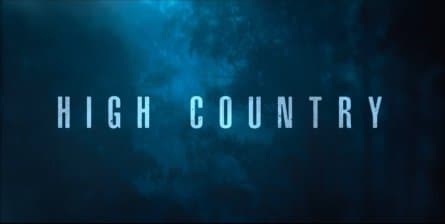
High Country trusts the mountains more than the mystery
Eight episodes, five missing persons, and a Victorian Alps landscape doing about sixty per cent of the dramatic work. Season two arrives on 14 September with almost nobody from season one.
RHYS TAVITA04.09.2026 · 05:00
THE MASTHEAD
Five writers. One desk.
02 / 04FEATURED
FILM№ 01
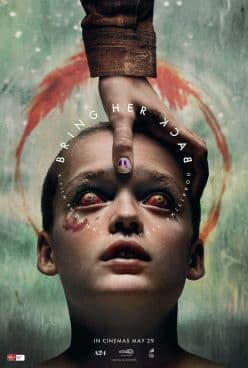
Bring Her Back builds its horror around what Piper cannot see
The Philippou brothers made a $15 million grief picture in the Adelaide suburbs and organised its entire visual scheme around a fourteen-year-old who can only see shapes.
BRONTE HAUGHEY01.09.2026
FILM№ 02
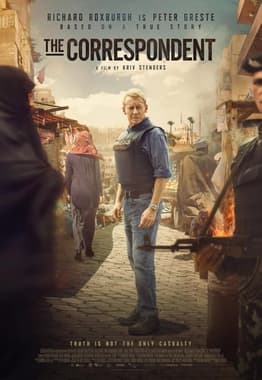
The Correspondent is a grief film wearing a prison film
Kriv Stenders built an Egyptian prison on a Sydney soundstage in six weeks, and the picture he made inside it is not about Egypt at all.
BRONTE HAUGHEY16.08.2026
ESSAYS№ 03
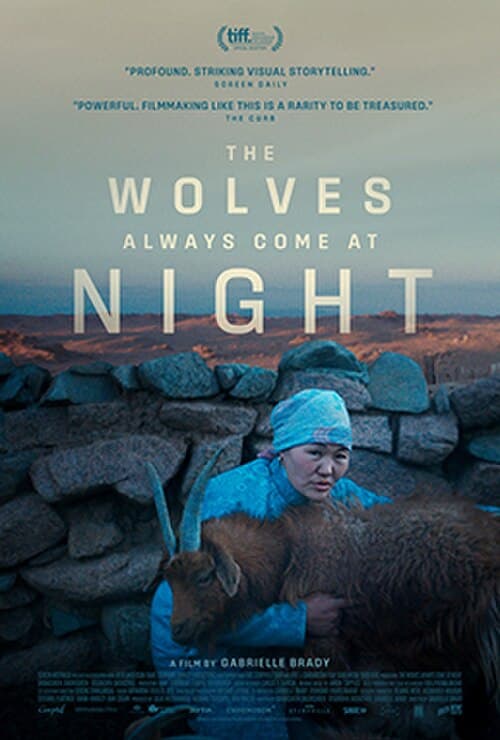
Australia's Oscar entry is in Mongolian and that is the argument
Gabrielle Brady's film has no Australian faces, no Australian landscape and no English in it, and the selection committee was unanimous.
MARA DENG31.07.2026
03 / 04READING LIST
№ 01
FILM25.07.2026
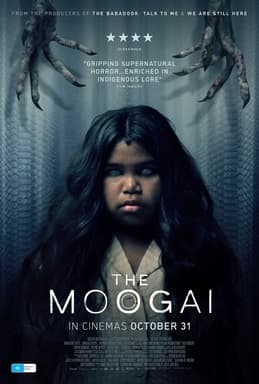
What The Moogai asks you to believe about a mother
Jon Bell's horror film splits its audience along a single question, and the split at Sundance and at Sydney tells you exactly what the film is doing.
MARA DENG
№ 02
TV22.07.2026
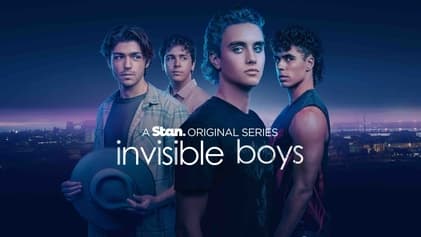
Invisible Boys never puts anyone on the bus to Perth
Nicholas Verso's ten-part Stan drama refuses the one ending Australian queer coming-of-age stories always reach for, and is far better for the refusal.
RHYS TAVITA
№ 03
FILM02.07.2026
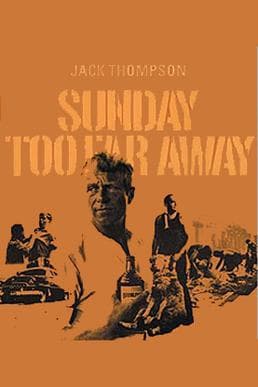
Geoff Burton's light and the truth of Sunday Too Far Away
The NFSA's restoration returns Ken Hannam's shearing drama to full clarity, and what comes back is a film that honours the work without ever romanticising the men who do it.
BRONTE HAUGHEY
№ 04
MUSIC25.06.2026
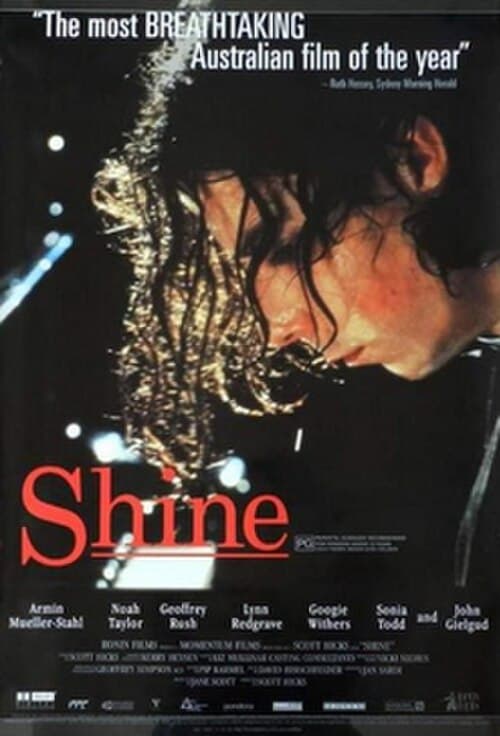
Shine and the score hiding under the Rachmaninoff
David Hirschfelder had to write original music that lives under the loudest warhorse in the piano repertoire, and the quiet writing is what carries the film.
KIERAN BOUSTANY
№ 05
FILM24.06.2026
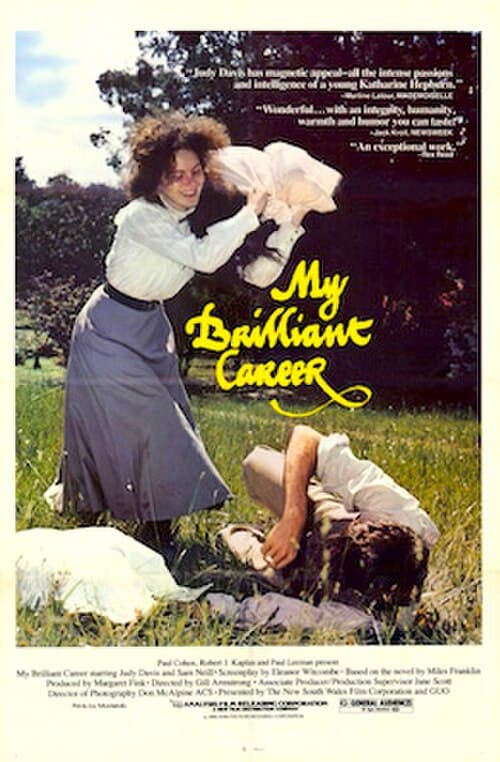
My Brilliant Career and the woman who would not marry the plot
Gillian Armstrong's 1979 debut took a heroine who refuses the marriage plot and made the refusal the whole shape of the picture.
BRONTE HAUGHEY
№ 06
MUSIC01.05.2026
Every Australian film has a sound and most of them go unheard
This column has spent six years listening to what Australian cinema sounds like, and the answer keeps changing.
KIERAN BOUSTANY
▶ THE DISPATCH
One email a month. No listicles.
Filed pieces, issue headlines, and whatever the desk has been watching. No hype, no tracking pixels. Unsubscribe with one click.
04 / 04THE INDEX
16.08.2026Burkhard Dallwitz wrote the score everyone credits to GlassKIERAN BOUSTANY13.08.2026Stan made a great Australian road comedy and told nobodyRHYS TAVITA11.08.2026Children's drama spend fell 41 per cent to $34 millionODETTE MALOUF26.07.2026Village Roadshow's film library sold for $417.5 millionODETTE MALOUF23.07.2026Bruce Smeaton and the scores you were never meant to noticeKIERAN BOUSTANY27.06.2026Plum and the game that breaks the men who love itRHYS TAVITA14.06.2026A sports streamer now owns one of our biggest drama buyersODETTE MALOUF12.06.2026Bay of Fires and the town full of people you should not trustRHYS TAVITA11.06.2026Nigel Westlake smuggled a cathedral into a film about a pigKIERAN BOUSTANY10.06.2026Wake in Fright and the negative that almost burnedBRONTE HAUGHEY02.06.2026The Home Song Stories and the mothers we have to explainMARA DENG29.05.2026Apple Cider Vinegar knows exactly what it isRHYS TAVITA